Rent an AI agent on its own cloud computer

An agent with its own computer.

Give your agent a goal and close the tab. It keeps working on its own dedicated machine, runs standing orders while you sleep, and every plan includes the machine and a monthly bundle of credits.

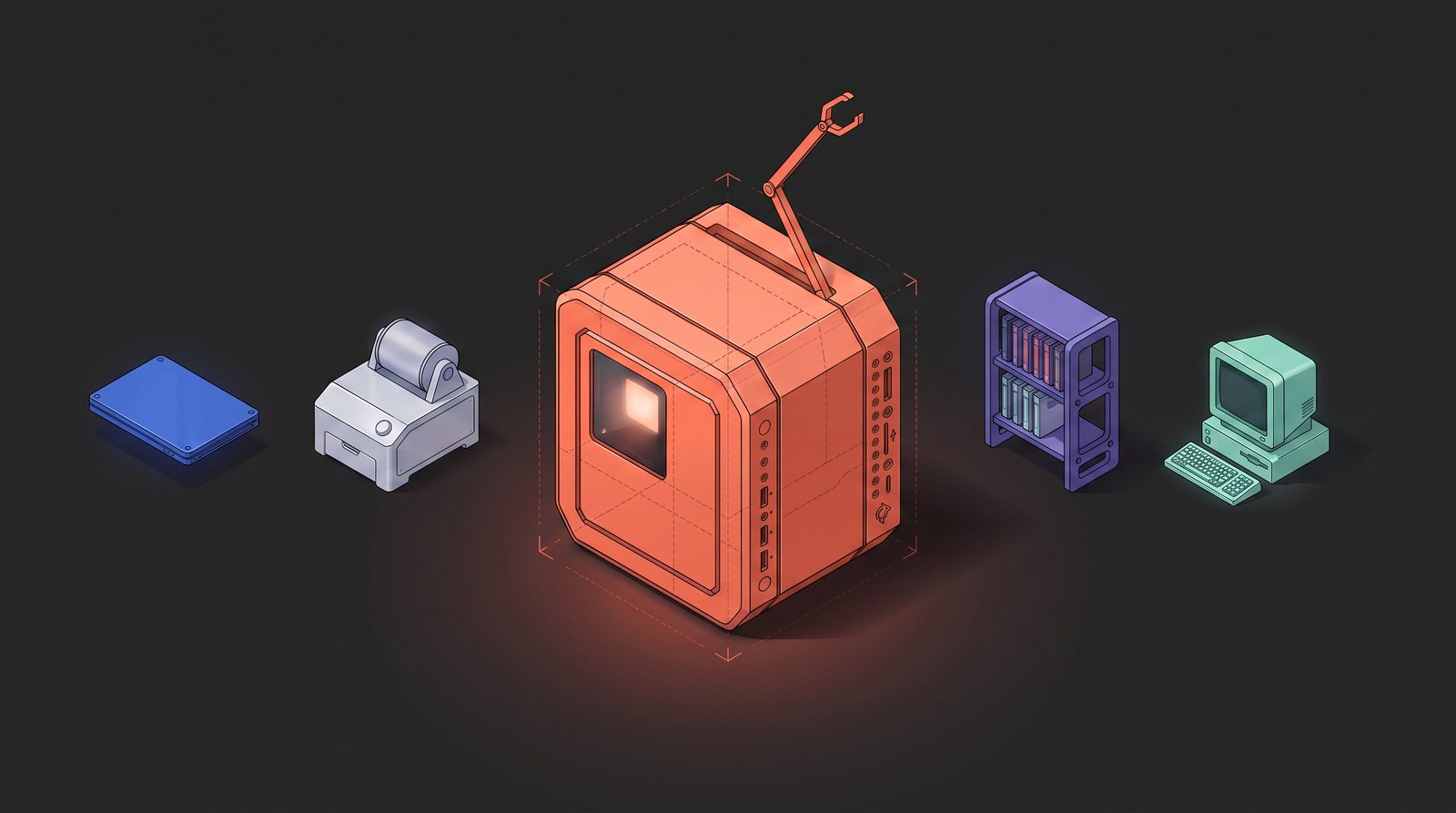
Six toy-sized machines arranged on a dark surface, one coral tower in front and five smaller machines behind it

Every machine is a real computer, not a costume on a chat box.

Dedicated container, own disk, own address. Swap the machine without changing your plan or your credits.

Live demo - a machine at work Explore the full dashboard
yourhandle.secondmachine.ai
OpenClaw machine

OpenClaw Agent

Plus · 4GB · 2 vCPU · 30GB
Working · job 4 of 4
Awake
31%
Jobs this month
48
Credits
9,410
Standing orders
Latest jobs

This demo is live - press the buttons. Pause the machine, switch to another one, take a snapshot. Figures are an example month, not a real account.

Chatbot vs. machine

A chatbot is a window. A machine is a place where work happens.

A chatbot lives inside one tab, forgets when the tab closes, and can only use the tools handed to it in that moment. A machine has a filesystem, a shell, a browser, a clock, and memory. It can start work without you, keep going while you sleep, and show you afterwards exactly what it did.

A chatbot

  • Stops the moment you close the tab
  • Forgets yesterday unless you paste it back in
  • Runs on shared infrastructure you cannot see
  • Reports usage as "limits" or opaque credits
  • Cannot schedule its own work

A second machine

  • Keeps working after you leave
  • Remembers what it did, on its own disk
  • One dedicated container, yours alone
  • Credits included with every plan
  • Takes standing orders on a schedule you set
How it works

Signup to a working machine in under five minutes. No terminal.

01 / Verify

Confirm your email

Your account belongs to your email address. Your handle, subdomain, and machine address are derived from it, so there is nothing to invent.

02 / Brief

Answer one question

"What do you do?" One line. Your machine's first job starts from that answer while you are still reading the confirmation.

03 / Card

A $1 card check

One dollar, once — it keeps bots off the machines. Nothing else is charged until your trial credits are spent and you choose to continue.

04 / Machine

Take the handoff

A machine that was already warm and waiting gets your name on it. You land on your own subdomain with the first job already running.

1Pick your plan

First, decide how much it works.

Every plan includes the machine. The only difference is credits — the fuel it spends as it works. More credits, more work each month.

Base
$29.95/mo
6,000 credits a month
Roughly 200 everyday jobs — a morning scan, inbox triage, a few one-time tasks.
  • Your own machine, included
  • Scheduled work while you sleep
  • Any machine except Desktop
Start free trial
Max
$49.95/mo
20,000 credits a month
For machines that work all day — and the only plan that runs the Desktop Agent.
  • Your own machine, included
  • Scheduled work while you sleep
  • Every machine, including Desktop
Start free trial

Every plan starts with a free trial of 1,000 credits — use them at your own pace, no clock running. A one-time $1 card check keeps the machines safe from bots; it's the only charge until your credits are spent and you choose to continue.
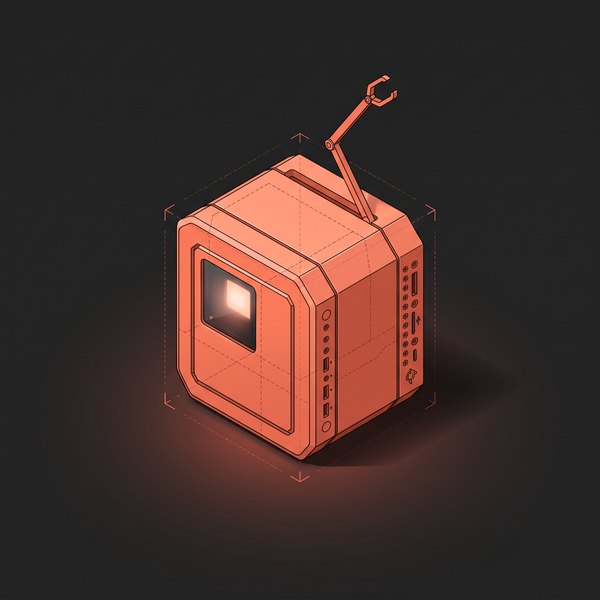
2Meet your machine

Now, choose your new coworker.

Each one has its own personality — a tireless researcher, a night-shift builder, a little watchdog that never sleeps. Press the one that feels right and it wakes up with your name on it, ready in about a minute.

Eight waiting for a home Press one to adopt it — the free trial starts there
It lives at your addressOne machine, one disk, one home. Never shared with anyone.
It works while you sleepStanding orders keep running after you close the tab.
It comes fedEvery plan includes a monthly bundle of credits. Top up in your account any time.
Meet all eight properly in the store
Standing orders

Set it once. Wake up to finished work.

A standing order is recurring work you set once. It runs on your schedule and delivers to your machine, your inbox, or both. Nothing is scheduled until you run it once, see the result, and approve the cadence.

This week · while you were awayDelivered
Morning competitor scanMon 06:00 · standing order · 4 sources
Done
Inbox triage and three draftsMon 07:15 · standing order · held for approval
Held
Rebuild pricing sheet from Stripe exportTue 14:02 · one-time · 12 min
Done
Weekly summary to youFri 17:00 · standing order
Done
4 jobs finished2 waiting on you
Every weekday · 06:00

Overnight research, ready at breakfast

Watch competitors, prices, listings, or a search. Get the delta, not the noise.

Runs every morning before you wake
Every hour · business hours

Inbox triage with drafts waiting

Mail from people you know goes straight to the machine. Everyone else is held for your review.

Drafts wait for one-click approval
Every Friday · 17:00

The week, written up

What the machine did, what it finished, what needs your decision on Monday.

Lands in your inbox Friday evening

Example jobs are illustrative. Your dashboard lists every job a machine has run.

The trial is a demonstration

Most trials hand you an empty box. This one arrives already working.

Minute 0

First job starts

Your one-line brief becomes the machine's first task before you finish reading the confirmation screen.

Minute 5

A standing order is proposed

Tomorrow morning, based on what you do. You review the dry run and its cost before anything is scheduled.

Day 3

Twice woken up to finished work

That is a habit, not a demo. Cancelling later means losing something rather than ending something.

Day 8 and 15

Reminder, then first charge

A reminder a week before billing, then your plan starts. Change plan, set a top-up cap, or cancel at any time.

An honest comparison

Plenty of products keep working after you leave. Few tell you what it cost.

We compared Second Machine against ChatGPT, Claude, Perplexity, Manus and four others on four checkable properties — dedicated machine, standing orders, per-job cost, and pricing unit. Every fact is sourced to the vendor's own page, and we also list where the others win.

Where Second Machine wins

  • One dedicated container per customer, never shared, never reclaimed between tasks
  • Machines included on every plan, with credits that roll into packs — no surprise bills

Where others win

  • ChatGPT and Claude ship frontier models and far larger ecosystems
  • Maritime is cheaper per agent, with flat pricing and nothing metered

Read the full sourced comparison, including where we lose →

Provenance

Built on open source, and we say so.

Second Machine's agent runtime is a fork of OpenAgent, an open-source project from the team behind AFFiNE. The whole argument for this product is that you can inspect what you are paying for, so here is the lineage in full rather than a single license badge.

Repository rootApache License 2.0. Attribution and the license text ship with our source.
Server packageGNU Affero General Public License v3. Because each machine serves this code to you over a network, you can request the corresponding source of the version running on your machine.
Upstream lineageOpenAgent descends from AFFiNE, whose frontend is MIT-licensed and whose backend is separately licensed by its authors. We publish which upstream commits we carry.
ModelsOpen-weight models served through a metered gateway. Your receipt names the model on every job.

We publish this rather than hide it. The license requires the notice in any case; the product requires the honesty.

Questions

Things people ask before they sign up.

What happens when I close the tab?

Nothing changes for the machine. Jobs continue in your dedicated container. When you come back, the work and its receipt are waiting.

Is the container really mine?

Yes. One container, one storage volume, one isolated database, one subdomain, one metered key. A machine that was assigned to someone is destroyed when they leave, never handed to someone else.

What are credits?

Credits are the fuel your machine spends as it works. Every plan includes a monthly bundle, and you can buy a pack inside your account whenever you want more.

What happens when credits run low?

Auto-refill keeps work moving: a 10,000-credit pack tops you up automatically, at most once a month. You can turn it off, or buy packs yourself inside your account.

Why the $1 at signup?

It verifies your card is real, which keeps bots from farming free machines. It is charged once, and nothing else is billed until your trial credits are spent and you choose a plan.

Can strangers email my machine?

They can try. Mail from addresses you have approved goes straight to the machine. Everything else is held for your review, because anything that reaches your machine can spend your credits.

What if my card fails?

The machine stops. Your files, memory, and standing orders stay intact. Updating your card restarts it. Nothing is deleted while the subscription exists.

Can I resize?

Yes. Upsizes apply immediately and restart at the next idle moment. A downsize on a busy machine is refused rather than queued, so work is never cut off mid-job.

How do I cancel?

One click in your account, or the link in any email from us. Your machine keeps running through the period you paid for, then enters a retention window before it is destroyed.

A trial, a card authorization, and a machine of your own.

Answer one question about what you do. Your machine starts on it before you finish reading the confirmation, and proposes tomorrow morning's standing order. Plans from $29.95 a month.

Start your free trial Free trial · 1,000 credits included · cancel any time